
Creating a financial safety net is crucial for a stress-free life. Effective financial planning and budgeting are the cornerstones of achieving this goal. By making a few simple changes to your daily habits, you can start building a secure financial future.
It’s about being mindful of your expenses and making conscious decisions to allocate your resources wisely. By adopting simple strategies, you can take control of your finances and start saving.
Key Takeaways
- Understand the importance of financial planning
- Learn how to create a budget that works for you
- Discover simple strategies to start saving money
- Develop healthy financial habits
- Achieve a stress-free financial future
Why Saving Money Matters in Today’s Economy
In the face of economic uncertainty, saving money has become more crucial than ever. As financial markets fluctuate and economic forecasts remain unpredictable, having a robust savings plan is essential for navigating these challenges.

The current economic climate is characterized by rising costs of living, fluctuating interest rates, and an overall sense of uncertainty. In such times, the importance of financial security cannot be overstated. Saving money provides individuals and families with a cushion against unexpected expenses, financial downturns, and other economic shocks.
The Financial Security Saving Provides
Financial security is one of the most significant benefits of saving money. It provides peace of mind and reduces stress related to financial uncertainty. By building a savings fund, individuals can ensure they are better prepared to handle emergencies, such as car repairs, medical bills, or losing a job.
Moreover, having a savings cushion allows individuals to take advantage of investment opportunities or to cover expenses during periods of financial strain. This not only enhances financial stability but also contributes to overall well-being.
How Small Savings Add Up Over Time
Many people believe that saving money is only for those who have a lot to spare. However, the truth is that small savings can add up over time. Even setting aside a small amount regularly can accumulate into a significant sum, thanks to the power of compound interest.
For instance, saving just $100 a month might seem insignificant in the short term, but over a decade, it amounts to $12,000, not considering any interest earned. This demonstrates how consistent saving, regardless of the amount, can contribute to long-term savings and financial health.
Assessing Your Current Financial Situation
To make informed decisions about your money, you first need to understand where you stand financially. Assessing your financial health is a crucial step towards achieving your financial goals.
Tracking Your Income and Expenses
The first step in assessing your financial situation is to track your income and expenses. This involves monitoring every single transaction, no matter how small, to get a clear picture of your spending habits.
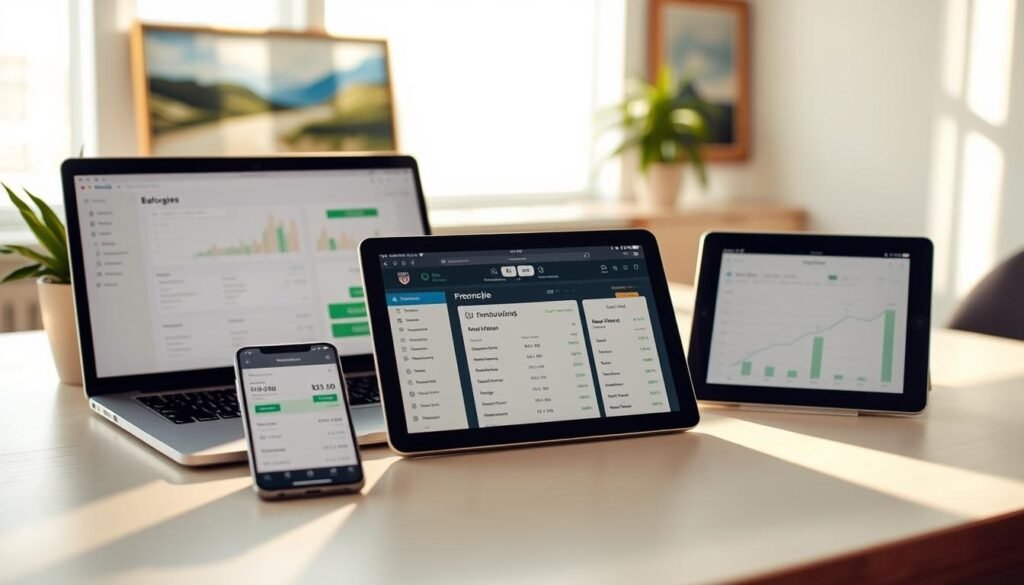
Using a budgeting app can simplify this process. These apps can categorize your expenses, making it easier to identify areas where you can cut back.
Best Apps for Expense Tracking
Some of the best apps for expense tracking include:
- Mint
- Personal Capital
- YNAB (You Need a Budget)
These apps offer features like automated expense categorization and bill reminders, making it easier to stay on top of your finances.
Identifying Financial Leaks
Once you have a clear picture of your income and expenses, the next step is to identify financial leaks. These are areas where money is being wasted or unnecessarily spent.
Common Money Drains in American Households
Common financial leaks include:
- Unused subscription services
- Impulse purchases
- High utility bills due to inefficient appliances
By identifying and addressing these leaks, you can redirect the saved funds towards more important financial goals.
As the old adage goes, “A penny saved is a penny earned.” By being mindful of your spending and making small changes, you can significantly improve your financial health over time.
Setting SMART Financial Goals
SMART financial goals are the cornerstone of a secure financial future. By making your goals Specific, Measurable, Achievable, Relevant, and Time-bound, you set yourself up for success. This approach helps in creating a clear roadmap for your financial journey.
Short-term vs. Long-term Saving Goals
Understanding the difference between short-term and long-term goals is crucial. Short-term goals might include saving for a vacation or paying off a small debt, typically within a year. Long-term goals, such as buying a house or retirement savings, require a longer timeframe and more disciplined saving.
To balance both, consider allocating your income into different buckets. For instance, a portion for short-term goals and another for long-term investments.
Creating Measurable Milestones
Breaking down your financial goals into smaller, measurable milestones makes them more manageable. For example, if your goal is to save $10,000 in 2 years, your milestone could be saving $417 per month.
- Identify your goal
- Break it down into smaller targets
- Regularly review and adjust your plan
Celebrating Financial Wins
Celebrating your financial achievements, no matter how small, is essential for staying motivated. It could be as simple as treating yourself to a nice dinner or writing down your success in a financial journal.
By setting SMART financial goals and celebrating your successes, you create a positive feedback loop that encourages continued progress towards financial freedom.
Creating a Realistic Budget That Works
Creating a realistic budget is essential for managing your finances effectively. It involves understanding your income and expenses, and then making conscious decisions about how to allocate your money. A good budget should be tailored to your financial goals, whether it’s saving for a big purchase, paying off debt, or building an emergency fund.
The 50/30/20 Budgeting Method
The 50/30/20 budgeting method is a simple and straightforward approach to budgeting. It suggests allocating 50% of your income towards necessary expenses like rent and utilities, 30% towards discretionary spending, and 20% towards saving and debt repayment. This method is effective because it provides a clear framework for managing your finances.
Zero-Based Budgeting Approach
Zero-based budgeting is another effective budgeting method where every dollar is accounted for. It involves tracking your income and expenses to ensure that your budget is balanced, with no money left unaccounted for. This approach encourages meticulous financial planning and can help identify areas where you can cut back.
Digital Tools for Budget Management
In today’s digital age, there are numerous tools available to help manage your budget. Budgeting apps can track your expenses, provide financial insights, and even offer investment advice. When choosing a budgeting app, it’s essential to consider your needs and preferences.
Free vs. Paid Budgeting Apps
When it comes to budgeting apps, you have the option of choosing between free and paid versions. While free apps can be a good starting point, paid apps often offer more advanced features, such as investment tracking and financial goal setting. It’s worth considering whether the additional features are worth the cost.
Ultimately, the key to successful budgeting is finding a method that works for you and sticking to it. Whether you choose the 50/30/20 rule, zero-based budgeting, or a combination of different approaches, the most important thing is to make a plan and be consistent.
Cutting Everyday Expenses Without Sacrificing Quality of Life
Adopting a few simple habits can help you cut everyday expenses and boost your savings. By making a few adjustments to your daily routine and spending habits, you can significantly reduce your expenses without feeling deprived.
Reducing Food and Grocery Costs
One of the most effective ways to cut everyday expenses is by reducing your food and grocery bills. Planning your meals in advance can make a significant difference.
Meal Planning Strategies
- Create a weekly meal plan to avoid last-minute takeouts.
- Make a grocery list based on your meal plan to stick to your needs.
- Buy in bulk and choose seasonal produce to save money.
By implementing these strategies, you can significantly reduce your grocery bills and enjoy healthier meals.
Lowering Utility Bills
Lowering your utility bills is another effective way to cut expenses. Simple actions like switching to energy-efficient lighting and being mindful of your water usage can lead to substantial savings.
- Replace traditional bulbs with LED bulbs.
- Turn off lights, electronics, and taps when not in use.
- Adjust your thermostat to use less energy for heating and cooling.
Minimizing Transportation Expenses
Transportation costs can be minimized by adopting a few cost-effective habits. Consider carpooling, using public transport, or cycling for shorter distances.
- Plan your errands to reduce the number of trips.
- Use fuel-efficient vehicles or alternative modes of transport.
- Regularly maintain your vehicle to improve fuel efficiency.
By implementing these cost-cutting strategies, you can enjoy a more frugal lifestyle without sacrificing your quality of life.
Smart Shopping Strategies for Saving Money
Implementing smart shopping strategies can significantly impact your savings. By being mindful of your shopping habits and making a few simple changes, you can cut down on unnecessary expenses and allocate more funds towards your savings goals.
Using Coupons and Cashback Apps Effectively
One of the most effective ways to save money while shopping is by using coupons and cashback apps. These tools offer discounts and rebates on your purchases, providing a straightforward way to reduce your expenses.
Coupons can be found in various forms, from digital coupons on retailer websites to printable coupons from coupon aggregator sites. Cashback apps, on the other hand, offer a percentage of your purchase back as credit or cash. Apps like Rakuten and Ibotta are popular choices among consumers.
Top Cashback Programs in the US
Some of the top cashback programs in the US include:
- Rakuten: Offers cashback on purchases from over 2,500 stores.
- Ibotta: Provides cashback on groceries, clothing, and other items.
- Dosh: Offers cashback at thousands of restaurants, retailers, and hotels.
Timing Your Purchases for Maximum Savings
Timing your purchases can also lead to significant savings. Many retailers offer seasonal sales and discounts during holidays or at the end of seasons to clear out inventory.
By planning your purchases around these sales events, you can buy what you need at a lower cost. For instance, buying winter clothing in late February or early March can result in substantial savings.
Seasonal Sales Calendar
Here’s a brief overview of a seasonal sales calendar:
- January: Post-holiday sales on winter clothing and home goods.
- July: Summer sales on clothing, outdoor furniture, and grills.
- November: Black Friday and Cyber Monday sales on electronics, toys, and more.
By being aware of these sales cycles and planning your shopping accordingly, you can make the most of your budget and save money.
Automating Your Saving Money Habits
One of the most effective ways to save money is by automating the process. Automating your savings ensures that you consistently set aside a portion of your income without having to think about it, making it easier to stick to your financial goals.
Setting Up Automatic Transfers to Savings
Setting up automatic transfers to your savings account is a straightforward way to automate your savings. By doing this, you can allocate a specific amount or percentage of your income to be transferred to your savings or investment accounts regularly. This method helps in building the habit of saving and reduces the likelihood of spending money impulsively.
To set up automatic transfers: Log in to your online banking, navigate to the transfer section, and schedule recurring transfers from your checking account to your savings account. You can usually choose the frequency of these transfers, such as daily, weekly, or monthly, depending on your pay schedule and financial needs.
Using Round-Up Apps and Services
Round-up apps and services have gained popularity as a fun and easy way to save money. These apps link to your debit or credit card and round up your purchases to the nearest dollar or a specified amount, transferring the difference into a savings account. It’s a painless way to save because you’re saving the change from your everyday transactions.
For example, if you buy a coffee for $3.50, the app will round up the purchase to $4.00 and transfer $0.50 into your savings account. Over time, these small amounts can add up to significant savings.
Popular Micro-Saving Tools in America
Some of the popular micro-saving tools in the US include Acorns, Qapital, and Digit. These apps not only round up your purchases but also offer additional features like setting savings goals and providing insights into your spending habits. They make saving money intuitive and accessible, even for those who are new to saving.
Tackling Debt While Building Savings
Tackling debt while building savings requires a balanced approach that addresses both financial challenges. It’s about understanding that managing debt isn’t just about paying off what you owe; it’s also about building a financial safety net for the future.
The Debt Snowball vs. Debt Avalanche Methods
Two popular strategies for managing debt are the debt snowball and debt avalanche methods. The debt snowball method involves paying off your smallest debts first, regardless of interest rates, to build momentum. On the other hand, the debt avalanche method prioritizes debts with the highest interest rates, potentially saving you more money in interest over time.
- Debt Snowball: Quick wins can be motivating, helping you stick to your plan.
- Debt Avalanche: Saving on interest can be significant, especially if you have debts with high rates.
Refinancing Options to Consider
Refinancing can be a useful tool in managing debt, especially for high-interest loans or credit cards. It involves replacing your existing debt with a new loan, ideally with a lower interest rate or more favorable terms.
When to Consolidate Debt
Debt consolidation is a form of refinancing that combines multiple debts into a single loan. This can simplify your finances and potentially lower your monthly payments. However, it’s crucial to ensure that the consolidation loan’s interest rate is lower than the average rate of your debts and that you don’t accumulate new debt.
By understanding and applying these strategies, you can effectively manage your debt while building your savings, moving closer to financial stability.
Building an Emergency Fund First
Building an emergency fund is a foundational step in securing your financial future. It serves as a buffer against unexpected expenses, such as car repairs or medical bills, and provides financial stability during periods of unemployment.
Saving for Emergencies
Determining how much to save in your emergency fund depends on several factors, including your income, expenses, and job security. A general rule of thumb is to save enough to cover 3-6 months of living expenses.
- Assess your monthly expenses to determine your savings goal.
- Consider your job security and industry stability.
- Take into account any high-interest debt you may need to pay off.
Where to Keep Your Emergency Fund
Once you’ve determined your savings goal, you need to decide where to keep your emergency fund. The key is to find a balance between accessibility and growth.
High-Yield Savings Accounts vs. Regular Accounts
A high-yield savings account is often a better choice than a regular savings account because it earns a higher interest rate, helping your emergency fund grow over time. However, it’s essential to choose an account with low fees and easy access to your money.
By building and maintaining an emergency fund, you can ensure financial stability and peace of mind, even in uncertain times.
Increasing Your Income to Boost Savings
Boosting your savings rate often requires more than just cutting expenses; it demands a strategic approach to increasing your income. By focusing on ways to earn more, you can significantly enhance your savings potential.
Side Hustles for Extra Cash
One effective way to increase your income is by taking up side hustles that can generate extra cash. These can range from freelance work to selling products online or offline.
Remote Work Opportunities
With the rise of remote work, there are numerous opportunities to earn extra income from the comfort of your home. Platforms like Upwork, Fiverr, and Freelancer offer a variety of freelance gigs. You can also consider online tutoring or teaching English as a second language.
Negotiating for Better Pay
Another strategy is to negotiate for better pay at your current job. This can be a more straightforward way to increase your income without having to take on additional work.
Timing Your Salary Discussions
Timing is crucial when it comes to salary negotiations. It’s often best to discuss salary during your performance review or when you’ve taken on significant additional responsibilities. Researching the market to know the average salary for your position can also strengthen your negotiation.
By implementing these strategies, you can effectively increase your income and boost your savings. Whether through side hustles or negotiating a better salary, the key is to be proactive and open to new opportunities.
Psychological Tricks to Make Saving Easier
Saving money isn’t just about numbers; it’s also about psychology. Our financial decisions are often influenced by our mindset and emotions. By understanding and leveraging certain psychological strategies, we can make saving easier and more effective.
The 24-Hour Rule for Purchases
One effective technique is the 24-hour rule for non-essential purchases. When you see something you want to buy, wait 24 hours before making the purchase. This simple delay can help you determine if the item is something you truly need or just a want. By reducing impulse buys, you can save a significant amount over time.
Visualizing Your Financial Goals
Visualizing your financial goals is another powerful tool. By clearly imagining what you’re saving for, you can stay motivated and focused. This technique leverages the power of visualization to make your goals feel more tangible and achievable.
Creating Vision Boards for Financial Success
Creating a vision board is a practical way to visualize your financial goals. A vision board is a visual representation of your goals, including images and words that evoke positive emotions. To create one, gather materials like a board, magazines, scissors, and glue. Cut out images that represent your financial goals, such as a dream home or a vacation spot, and arrange them on your board. Place your vision board in a spot where you’ll see it daily, serving as a constant reminder of what you’re working towards.
By incorporating these psychological tricks into your saving strategy, you can develop a healthier financial mindset and make progress towards your goals. Whether it’s waiting 24 hours before a purchase or visualizing your objectives, these techniques can help you stay on track.
- Practice delayed gratification with the 24-hour rule.
- Use visualization techniques to make your goals more real.
- Create a vision board to stay motivated.
By making these strategies a part of your daily routine, you’ll be better equipped to manage your finances and achieve your savings goals.
Conclusion: Your Journey to Financial Freedom
Embarking on a saving journey is a significant step towards achieving financial freedom. By implementing the strategies outlined in this article, you can take control of your financial situation and make progress towards your goals.
Assessing your current financial situation, setting SMART financial goals, and creating a realistic budget are crucial steps in this process. By cutting everyday expenses, adopting smart shopping strategies, and automating your savings, you can make saving a habit.
Tackling debt and building an emergency fund are also vital components of achieving financial freedom. By increasing your income and using psychological tricks to make saving easier, you can stay on track and reach your financial goals.
Starting your saving journey today can lead to a more secure financial future. With persistence and the right strategies, you can achieve financial freedom and enjoy the peace of mind that comes with it.